
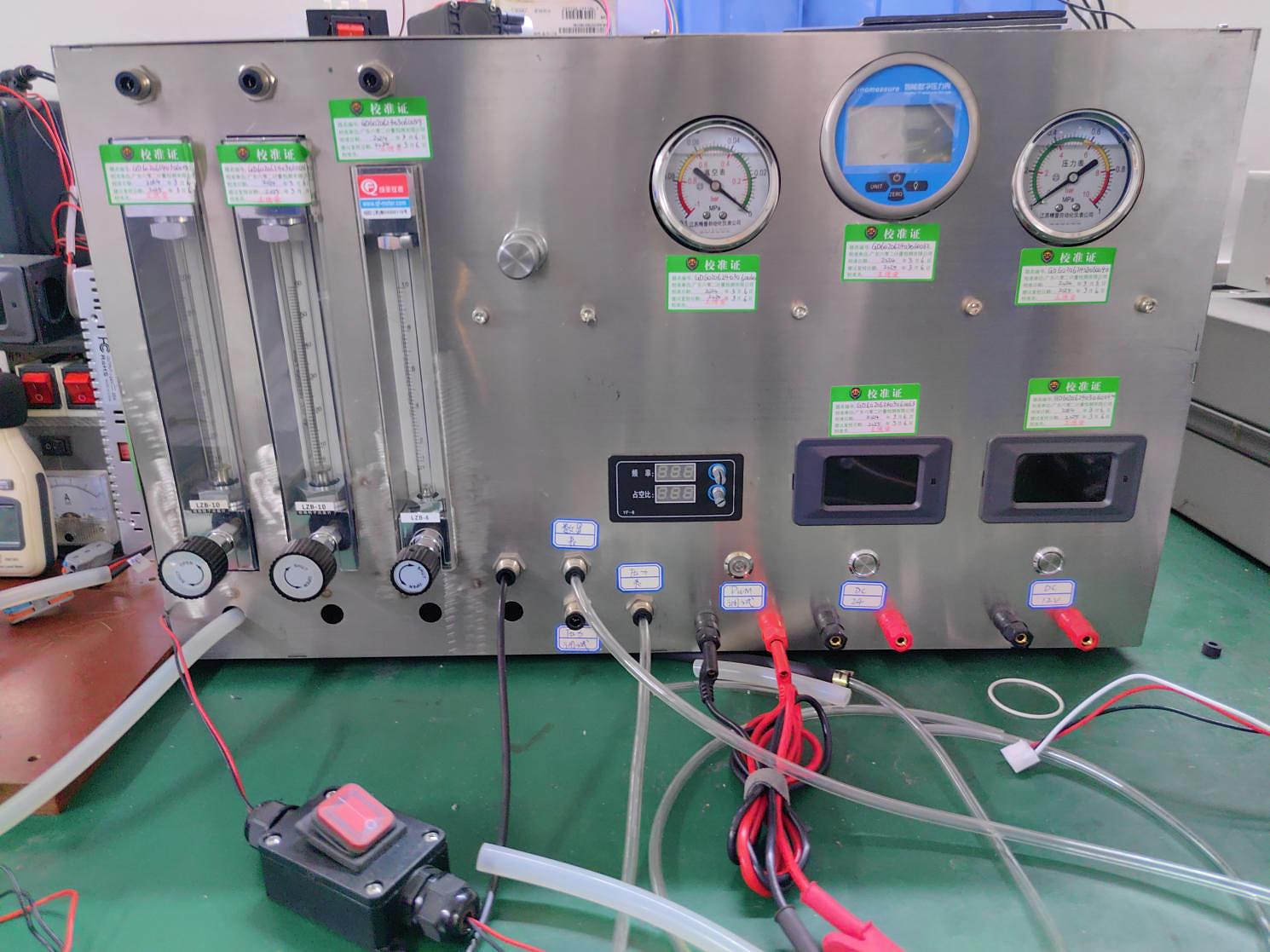
Define the use profile before starting hours
A lifetime number has little value unless the load is defined. Record voltage, current limit, pressure or vacuum, flow target, ambient temperature, run time, rest time and mounting condition before the test starts.
Use the equipment duty cycle, not an easy bench condition. A pump that runs for hundreds of hours at open flow may age differently under blocked inlet, high back pressure or enclosed thermal load.
Set measurable pass fail criteria
The plan should define allowable drift in flow, pressure or vacuum, noise, current and temperature rise. Include stop rules for leakage, abnormal vibration, restart failure, connector damage or visible diaphragm and valve degradation.
For release decisions, keep raw data and setup photos with the sample lot. Future failures are easier to investigate when the test condition is reconstructable.
Frequently asked questions
How many hours should a miniature pump lifetime test run?
The duration should be derived from the product life target, duty cycle and risk. The acceptance criteria and load profile are as important as the hour count.
Related products and engineering resources
Continue with the products, application material and engineering support related to this topic, or submit project conditions for a selection review.